Why Isn’t My Oven Heating Up? Common Causes
Discover why isn't my oven heating up with common causes explained. Learn troubleshooting tips, quick fixes, and when to call a professional.
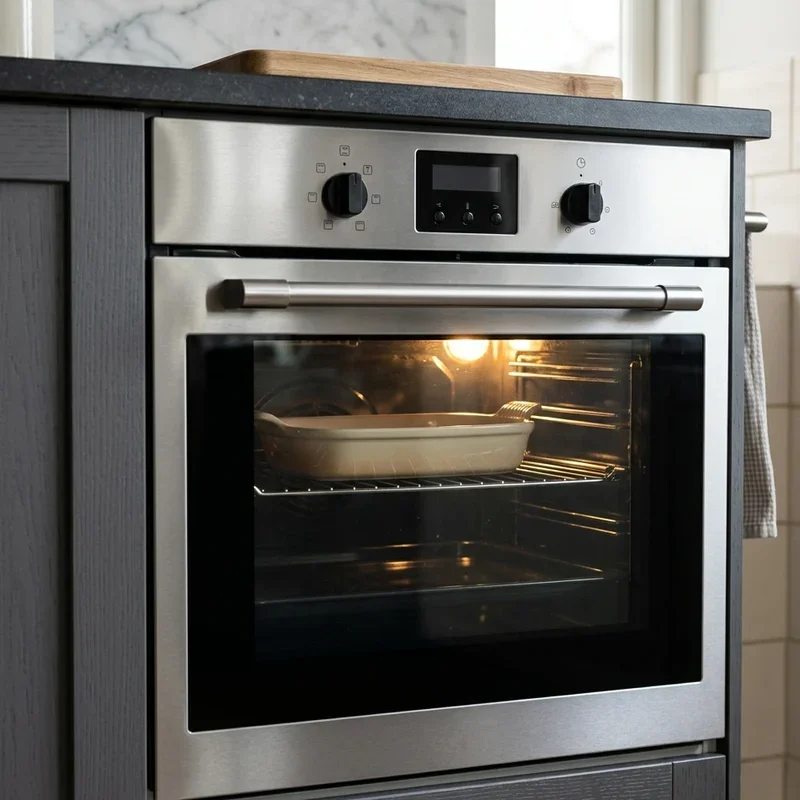
You've preheated the oven, prepared your ingredients, and you're ready to bake that perfect casserole or roast. But after waiting what feels like forever, you open the door only to discover the oven is still cold as a stone. Nothing quite kills the momentum of meal prep like an oven that refuses to heat up.
This frustrating scenario happens to homeowners everywhere, and the timing always seems terrible. Whether it's Thanksgiving morning, a dinner party evening, or just a regular Tuesday when you really needed that pizza, a non-heating oven throws a serious wrench in your plans.
Here's the silver lining though. Most oven heating problems stem from a handful of common issues, many of which you can diagnose yourself and some you might even fix without calling in a professional. Understanding what's happening inside that metal box helps you decide whether you're looking at a quick DIY repair or something requiring expert attention.
Understanding why isn't my oven heating up and the common causes behind this problem empowers you to troubleshoot effectively and potentially save money on unnecessary service calls. From simple fixes like checking power connections to more complex issues involving heating elements and igniters, this comprehensive guide covers everything you need to know.
Ready to figure out what's keeping your oven from doing its job? Let's investigate.
Electric Oven Heating Issues
Electric ovens have specific components that commonly fail and prevent heating.
Faulty Heating Elements
The bake element at the bottom and the broil element at the top are workhorses that eventually wear out. When functioning properly, these elements glow red as electricity passes through them, generating the heat that cooks your food. A burned-out element often shows visible damage like blistering, cracks, or broken sections. Sometimes the damage is subtle, requiring closer inspection to spot. Replacing a heating element is one of the more straightforward oven repairs that handy homeowners can tackle themselves.
Element Connection Problems
Even if the element itself looks fine, the connection points where it plugs into the oven can fail. These connectors experience repeated heating and cooling cycles that cause expansion and contraction over time. Loose or corroded connections prevent electricity from reaching the element properly. Inspect connection points for discoloration, burning, or obvious looseness. Sometimes tightening or cleaning connections restores function.
Thermal Fuse Failure
Electric ovens contain thermal fuses designed to prevent overheating by cutting power if temperatures exceed safe levels. When these safety devices blow, the oven stops heating entirely. Thermal fuses blow for reasons including blocked ventilation, faulty thermostats, or simply age. Testing requires a multimeter to check for continuity. A blown thermal fuse is relatively inexpensive to replace but locating it varies by oven model.
Temperature Sensor Malfunction
The temperature sensor monitors oven temperature and communicates with the control board to regulate heat output. A faulty sensor may report incorrect temperatures, causing the oven to shut off heating prematurely or not heat at all. These sensors typically resemble small probes mounted inside the oven cavity. Testing with a multimeter reveals whether resistance readings fall within normal ranges. Replacement is straightforward once you've identified sensor failure.
Why Isn't My Oven Heating Up? Common Causes in Gas Ovens
Gas ovens have their own set of typical problems affecting heat production.
Igniter Problems
The igniter is the most common failure point in gas ovens, responsible for opening the gas valve and igniting the burner. When you select a temperature, the igniter draws current and heats up. Once hot enough, it allows the safety valve to open and gas to flow. A weak igniter may glow but never reach sufficient temperature to open the valve. Igniters wear out gradually, often taking longer and longer to ignite before failing completely.
Gas Supply Issues
Sometimes the problem isn't the oven at all but the gas supply feeding it. Check whether other gas appliances in your home are functioning normally. Verify that the gas shut-off valve behind or beneath the oven is fully open. Gas line problems, while less common, can restrict fuel flow to your oven. If you smell gas without successful ignition, turn off the supply and contact your gas company immediately.
Faulty Safety Valve
The safety valve controls gas flow to the oven burner, opening only when the igniter reaches proper temperature. A defective safety valve may fail to open even when receiving the correct signal from a working igniter. Testing the safety valve requires removing it and using a multimeter to check electrical continuity. This repair typically warrants professional service due to the complexities of working with gas components.
Burner Problems
The burner itself can develop clogs or damage that prevents proper gas distribution and ignition. Food debris, grease buildup, and rust can block burner ports, affecting flame pattern and heat output. Inspect the burner for visible obstructions or damage. Cleaning with a needle or pin to clear individual ports sometimes resolves irregular heating issues.
Control Board and Electrical Problems
The brain of your oven can malfunction just like any electronic system.
Control Board Failure
Modern ovens rely on electronic control boards to regulate temperature, timing, and various cooking functions. When these circuit boards fail, ovens may not heat, display error codes, or behave erratically. Control board problems are tricky to diagnose without specialized knowledge since symptoms overlap with other component failures. Visual inspection may reveal burnt components or damaged circuits. Replacement boards can be expensive, making professional diagnosis worthwhile before purchasing parts.
Power Supply Issues
Electrical ovens require significant power, typically running on 240-volt circuits in North American homes. Problems with the electrical supply prevent ovens from heating properly or at all. Check your circuit breaker panel for tripped breakers. Test the outlet with a multimeter if you have one available. Faulty wiring within the outlet box or leading to the oven can cause intermittent or complete power loss.
Wiring Problems
Internal wiring within the oven can deteriorate, especially connections subjected to repeated heating cycles. Loose wire nuts, corroded terminals, or damaged insulation create electrical problems affecting heating capability. Inspect accessible wiring for obvious damage while the oven is disconnected from power. Internal wiring repairs usually require professional service due to safety concerns.
Why Isn't My Oven Heating Up? Common Causes Related to Thermostats
Temperature regulation components affect whether your oven heats correctly.
Thermostat Calibration Issues
Oven thermostats control when heating elements or gas burners cycle on and off to maintain selected temperatures. A miscalibrated thermostat may think the oven has reached temperature when it hasn't, causing premature shut-off. Some ovens allow thermostat calibration adjustment through the control panel. Checking actual oven temperature with an oven thermometer reveals calibration problems. Significant miscalibration may require thermostat replacement.
Failed Thermostat
Complete thermostat failure prevents the oven from receiving accurate temperature information. Without this feedback, the control system doesn't know when to activate heating elements or igniters. Testing a thermostat requires checking continuity and resistance values with a multimeter. Thermostat replacement complexity varies by oven model and design.
Selector Switch Problems
Ovens with mechanical controls use selector switches to choose between bake, broil, and other functions. These switches direct power to appropriate heating elements based on your selection. Worn or damaged selector switches may fail to complete circuits properly. Testing involves checking continuity through the switch in different positions. Replacement requires accessing the control panel area.
Door and Seal Issues
Your oven door plays a bigger role in heating than you might think.
Door Seal Deterioration
The gasket around your oven door keeps heat inside where it belongs. Worn, damaged, or missing sections allow heat to escape, preventing the oven from reaching or maintaining temperature. Inspect the gasket for gaps, tears, or hardened sections that no longer seal properly. Replacing door gaskets is typically an easy DIY project with noticeable improvement in heating performance.
Door Latch Problems
Some ovens, particularly those with self-cleaning cycles, use door latches that affect heating function. A faulty door latch may send incorrect signals to the control board, preventing heating during normal operation. The oven may think it's in self-clean mode or that the door is open. Inspect latch mechanism for damage or misalignment.
Hinge Damage
Damaged or misaligned door hinges prevent proper door closure, creating gaps that leak heat. Hinges wear out over time, especially on frequently used ovens. The door may sag, not close flush, or require extra pressure to latch. Hinge replacement restores proper door operation and heat retention.
Simple Fixes You Can Try
Before calling for service, these basic troubleshooting steps might resolve your problem.
Check Power Connections
Ensure the oven is properly plugged in and receiving power. Electric ovens can become unplugged during cleaning or when appliances shift. Check both the outlet and the plug for damage. Test the outlet with another appliance to verify it's supplying power. For hardwired installations, verify circuit breakers are in the on position.
Verify Settings
It sounds obvious, but incorrect settings cause more service calls than you'd imagine. Confirm you've selected the correct cooking mode for your needs. Check that timer functions haven't accidentally been engaged. Ensure temperature controls are set appropriately. Some ovens have lockout features that prevent operation until disabled.
Clean the Oven
Heavy grease buildup and food debris can affect oven performance in various ways. Residue on heating elements reduces their effectiveness. Buildup blocking vents affects air circulation and temperature regulation. A thorough cleaning sometimes resolves heating inconsistencies that had gradually worsened over time.
Reset the Oven
Electronic glitches sometimes resolve with a simple reset. Turn off the circuit breaker supplying the oven for at least one minute. Restore power and attempt normal operation. This reset clears temporary electronic problems that may have frozen control systems.
When to Call a Professional
Some oven problems require expert knowledge and tools to address safely.
Gas-Related Repairs
Working with gas components poses serious safety risks without proper training. Gas leaks can cause explosions, fires, and carbon monoxide poisoning. Leave gas valve, igniter, and burner repairs to qualified technicians. Even if you've identified the problem, professional installation ensures safety.
Electrical System Issues
High-voltage electrical work requires expertise to perform safely. Incorrect wiring creates fire hazards and electrocution risks. If troubleshooting points toward wiring or electrical component problems, professional service is warranted. The cost of professional repair outweighs risks of DIY electrical work.
Complex Diagnostics
When simple troubleshooting doesn't reveal the problem, professional diagnostic equipment and expertise become valuable. Technicians have tools and training to test components accurately. They can access technical information specific to your oven model. Sometimes paying for proper diagnosis saves money compared to guessing and replacing parts unnecessarily.
Warranty Considerations
Attempting repairs yourself may void manufacturer warranties. Check warranty status before opening up your oven. Professional repair through authorized service providers maintains warranty coverage. The convenience of warranty repair often outweighs DIY savings.
Preventive Maintenance Tips
Regular care helps prevent heating problems before they start.
Regular Cleaning
Keep your oven clean to ensure optimal heating performance and component longevity. Remove spills and debris promptly before they bake onto surfaces. Clean heating elements carefully according to manufacturer guidelines. Regular maintenance prevents buildup that affects temperature regulation.
Periodic Inspection
Check door seals, heating elements, and visible components periodically for wear or damage. Catching problems early prevents complete failures at inconvenient times. Note any changes in heating performance, unusual sounds, or strange smells.
Professional Servicing
Annual professional inspection catches developing problems before they cause complete failure. Technicians clean and adjust components homeowners can't easily access. Preventive service costs less than emergency repairs.
Conclusion
Understanding why isn't my oven heating up helps you troubleshoot effectively when this frustrating problem occurs. Most heating failures trace back to common components like heating elements, igniters, thermostats, or electrical connections that experienced DIYers can sometimes address themselves. Knowing when problems require professional service keeps you safe while protecting your appliance from improper repairs. Regular maintenance and prompt attention to early warning signs help prevent complete failures that leave you without cooking capability at the worst possible times.
Read next: 15 Kitchen Island Centerpiece Ideas for Stylish Decor
Frequently Asked Questions
1.How can I tell if my oven's heating element is bad?
Look for visible damage like cracks, blistering, or breaks, and check if it glows red when activated.
2.Why does my gas oven click but not ignite?
A clicking igniter that doesn't light usually indicates a weak igniter that can't open the safety valve.
3.Can a dirty oven cause heating problems?
Yes, heavy grease buildup and debris can affect element performance, ventilation, and temperature regulation significantly.
4.How long do oven heating elements typically last?
Quality heating elements typically last 5-10 years with normal use before requiring replacement due to wear.
5.Is it safe to use my oven if it heats unevenly?
Uneven heating may indicate developing problems, so investigate the cause before continued use to prevent worsening.
Stay up to date with our latest ideas!